
 English


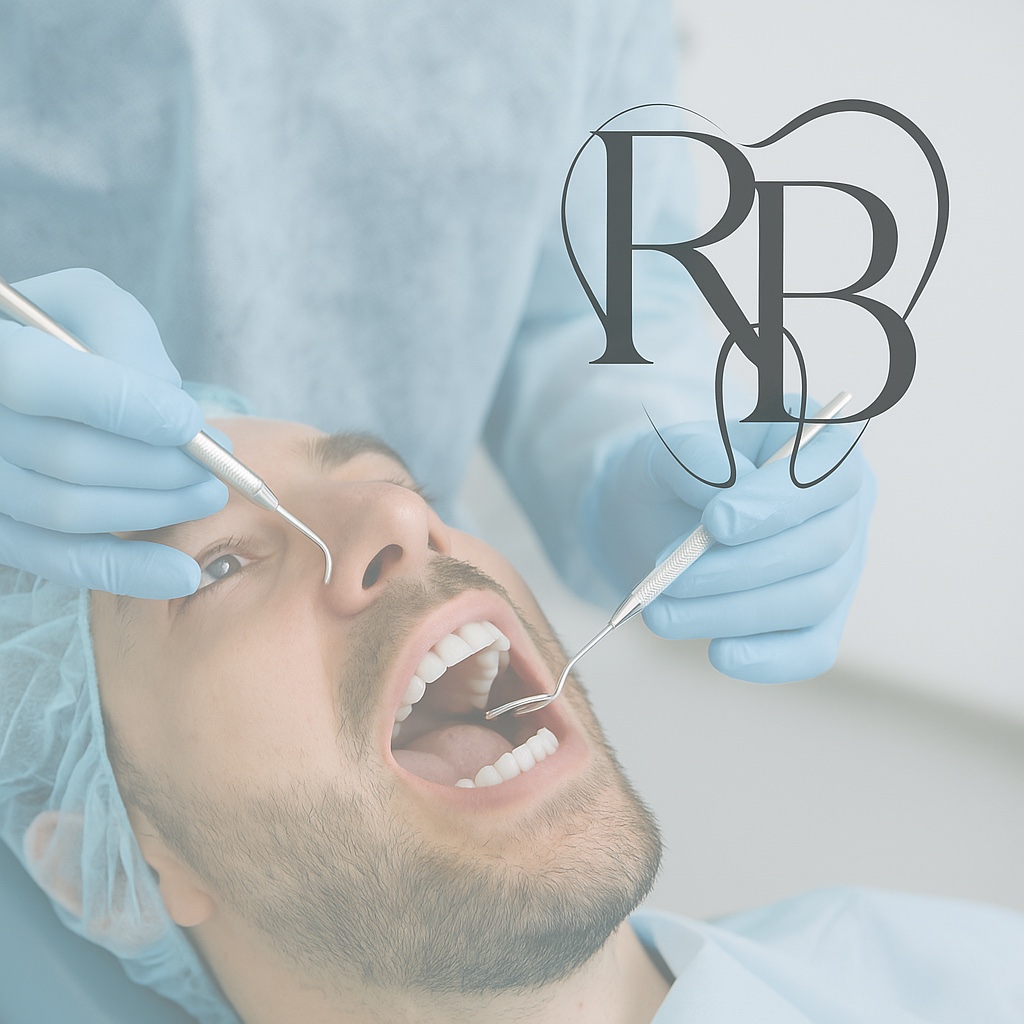
Oral and maxillofacial surgery covers the diagnosis and treatment of functional disorders, infections, cysts and injuries affecting the teeth, jawbones and surrounding soft tissues. At R&B Clinic, surgical procedures are performed under sterile conditions by experienced clinicians.
Treatment may include:
• Removal of impacted wisdom teeth
• Tooth extraction and its complications
• Apicoectomy
• Implant surgery
• Cyst surgery
• Bone grafting and sinus lifts
• Jaw and joint fractures
• Monitoring oral soft tissue lesions
• Early detection of oral cancer and referral when indicated
Wisdom Teeth
Wisdom teeth are the third molars at the back of the upper and lower jaws. They usually begin to develop in adolescence and may remain impacted, depending on the available space and jaw anatomy.
Why Might Extraction Be Needed?
• Gum infection
• Decay or alignment problems involving adjacent teeth
• Jaw pain and joint problems
• Crowding of the front teeth
Aftercare Following Extraction:
• Keep the gauze pad in place for the initial period advised, usually around 20 minutes.
• Avoid spitting and rinsing as instructed after extraction
• Avoid hot, spicy and hard foods as instructed
• Do not smoke
• Choose soft, lukewarm foods during healing
Does Every Impacted Tooth Need Removal?
If there are no symptoms or signs of damage to nearby structures, regular monitoring may be appropriate.
Aphthous Ulcers (Mouth Ulcers)
Aphthous ulcers are small, painful, non-cancerous sores inside the mouth. They often occur on the inner lips, edges of the tongue or cheek lining. A single ulcer or several ulcers may appear at the same time.
Common causes include:
• Stress
• Very spicy or acidic foods
• Vitamin B12 deficiency
• Trauma, such as lip or cheek biting
• Systemic conditions, such as Behçet’s disease
Treatment options:
• Local anaesthetic mouth sprays
• Vitamin B supplementation when indicated
• Laser treatments
• Pay attention to oral hygiene
Often heals on its own within 7–10 days.
Oral Cancer
Oral cancers can develop on the tongue, lips, cheek lining, palate and other soft tissues. Early detection is vital because these conditions can initially progress without pain or obvious symptoms.
Risk factors:
• Smoking and tobacco products
• Alcohol use
• Excessive sun exposure
• Genetic susceptibility
• Poor oral hygiene
• Chronic trauma
Symptoms:
• Mouth sores that do not heal
• Red or white patches
• Difficulty swallowing
• Restricted jaw movement
• Ear pain or weight loss
Regular dental examinations support early detection.
Dry Socket (Alveolar Osteitis)
Dry socket is characterised by severe pain, typically developing 2–3 days after an extraction. It occurs when the blood clot in the socket fails to form adequately or is lost prematurely.
Most commonly seen after:
After impacted wisdom tooth removal, particularly in people who smoke.
Treatment:
• Local cleaning of the affected area
• Application of a medicated dressing
• Follow the prescribed pain-relief plan
Apicoectomy
An apicoectomy removes the affected root tip and associated diseased tissue when conventional root canal treatment has not resolved the problem. The procedure aims to retain the natural tooth.
Jaw Cysts
Jaw cysts are pathological cavities, often containing fluid, which may develop in association with diseased or impacted teeth. If untreated, some can enlarge and weaken the jawbone.
Symptoms:
• Swelling
• Pain
• Infection
• Jaw deformity
Treatment:
Surgical removal may be necessary.
What Should You Consider After Oral Surgery?
• Avoid eating and drinking for the period advised by your surgeon, which may be around 2 hours.
• Avoid rinsing or spitting immediately after surgery as instructed
• Apply cold packs externally as instructed during the first 24 hours; do not keep ice continuously on the skin.
• Avoid smoking
• Take care of oral hygiene
• Take prescribed medicines as directed
Tooth Extraction in Patients with Medical Risk Factors
Before a planned extraction, patients should tell their dentist about all chronic conditions, medicines, allergies and relevant medical history.
Groups requiring particular care:
• Patients with heart conditions
• People taking anticoagulants
• People with diabetes, blood pressure disorders or neurological conditions
• Pregnancy, particularly the first and last trimesters
• Patients with a history of allergies
Bone Grafting
Bone grafting may be considered when there is not enough bone in the planned implant site. Grafting materials may come from the patient, animal-derived sources or synthetic materials, depending on the case.
Applications:
• Bone augmentation before implants
• Bone defects following cyst surgery
• Sinus-lift procedures
Sinus Lift
When there is insufficient bone height for an implant in the back of the upper jaw, the sinus floor may be raised and bone grafting material placed beneath it.
There are two approaches:
• Open sinus-lift technique: considered when very limited bone height is available, such as under 4 mm.
• Closed sinus-lift technique: simultaneous implant placement may be possible when bone conditions allow.
Afterwards:
• Avoid actions that create pressure; keep your mouth open if sneezing after a sinus lift.
• Use medication exactly as prescribed
• Maintain oral hygiene as instructed
Dental X-rays
Panoramic and other dental X-rays help assess roots and bone as well as the visible parts of the teeth. They support diagnosis and appropriate treatment planning.
Digital systems support dose optimisation when dental imaging is clinically indicated.
Dental Abscess
An infection that may develop around a tooth root following decay or trauma.
Symptoms:
• Severe pain
• Swelling
• Fever or enlarged lymph nodes
Treatment:
• Abscess drainage
• Root canal treatment or extraction when necessary
• Antibiotics when prescribed and supervised by a dentist
At R&B Clinic, surgical care is planned to preserve biological balance while prioritising safety, comfort and predictable treatment. Careful diagnosis and planning aim to restore function and appearance.