
 English


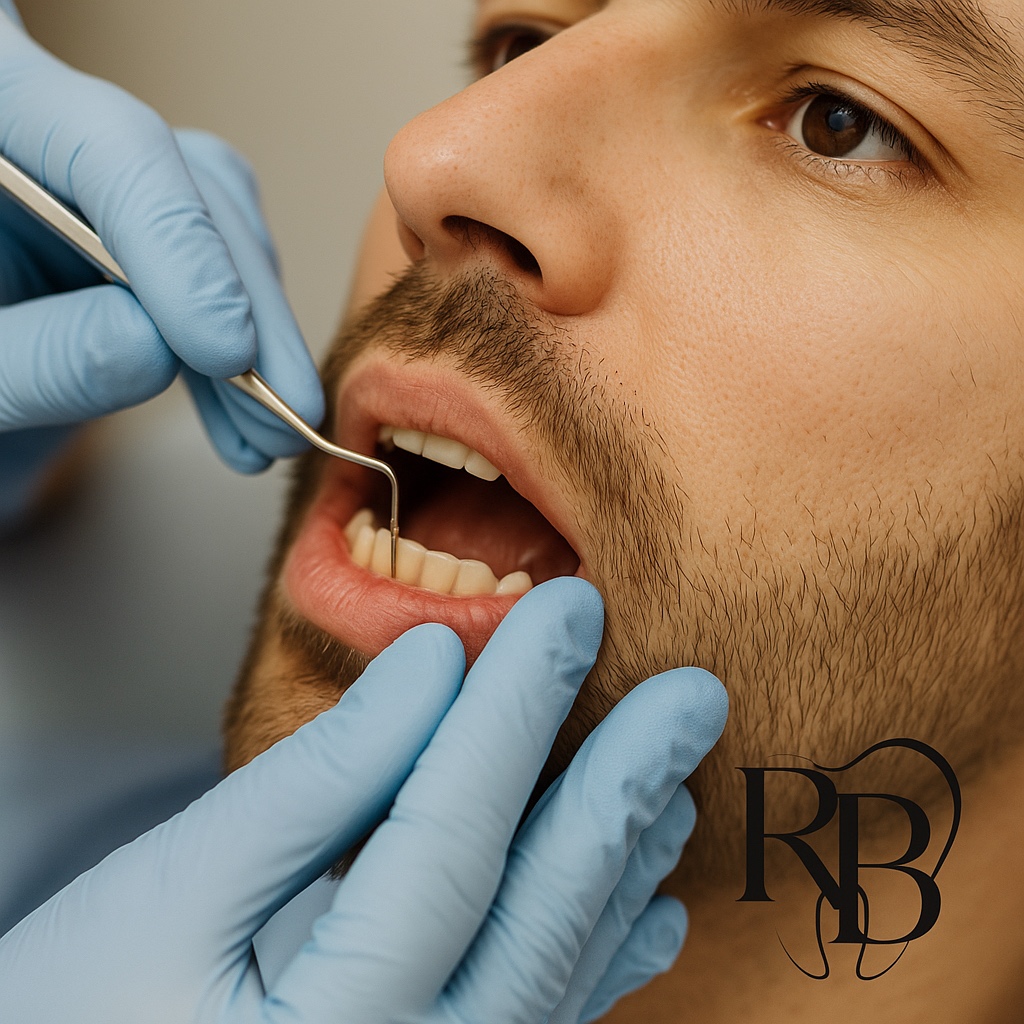
Periodontics (Gum Disease and Treatment)
Healthy teeth depend on healthy gums. Periodontics focuses on the gums, bone and connective tissues that support the teeth, and on treating inflammatory or structural problems affecting them. Plaque accumulation can lead to gingivitis. Without suitable care, susceptible patients may develop periodontitis, which can damage supporting tissues and lead to tooth loss.
What Are Gum Diseases?
Gingivitis: the gums may become red, swollen and prone to bleeding.
Periodontitis: inflammation that damages the tissues and bone supporting the teeth.
Gum recession exposes root surfaces and may cause sensitivity and aesthetic concerns.
Bone loss can weaken support for the teeth, causing mobility or eventual tooth loss.
Oral Care: Common Misconceptions
Toothbrushing:
Toothbrushing:
Brush gently at least twice a day, moving from the gumline towards the tooth.
Aggressive horizontal brushing may contribute to gum recession.
Choosing a brush and toothpaste:
Choose a small-headed, soft-bristled toothbrush.
Choose a toothpaste you can use consistently; specific formulations may help with sensitivity.
Dental floss and interdental brushes:
Dental floss and interdental brushes help clean between the teeth.
A toothbrush alone cannot clean these spaces effectively.
Mouthwash:
Mouthwash may supplement brushing and interdental cleaning, but does not replace them.
Electric toothbrushes:
Electric brushes can help people who find manual brushing difficult. Use gentle pressure.
Gum Recession and Treatment
Gum recession towards the root can expose the root surface and increase sensitivity.
Causes:
Traumatic brushing
Tooth clenching and nail biting
Tartar buildup
Genetic susceptibility
Treatment:
Hygiene advice and management of the underlying cause
Advanced cases may need tissue grafting or other surgery.
Tooth Sensitivity
Sensitivity commonly causes sharp pain triggered by cold, hot, sweet or acidic foods.
It is often noticed in incisors and premolars.
Treatment:
Fluoride-based desensitising agents
Using an appropriate toothpaste
Treatment of underlying gum problems
Bad Breath (Halitosis)
Bad breath can affect social interaction and self-confidence.
Main causes:
Gum disease
Tartar buildup
Dry mouth
Old or poorly fitting dentures
Systemic diseases
Management:
Establishing a regular oral hygiene routine
Cleaning the tongue as well as the teeth
Professional cleaning and gum treatment when needed
Crown Lengthening (Gingivectomy)
Excessive gum display may affect the appearance of a smile.
Excess gum tissue may be surgically reshaped to reveal more of the tooth and improve its proportions. In some cases, bone contouring is also needed.
Gum Depigmentation
Dark gum pigmentation may be related to genetics, smoking or melanin.
Treatment:
Laser procedures
Superficial epithelial removal procedures
Laser treatment may offer comfort and healing advantages in selected cases.