
 English


Restorative Dentistry
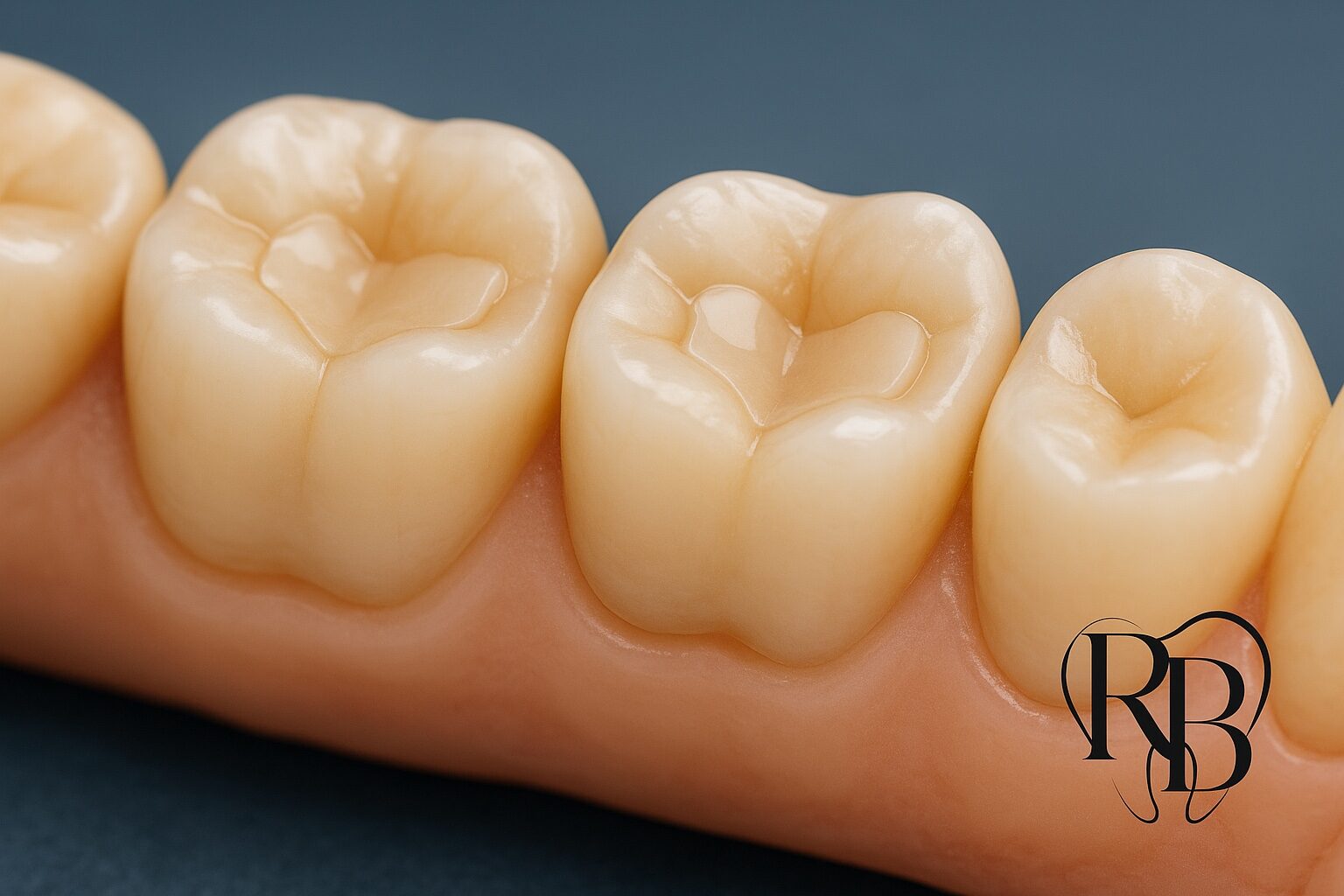
Restorative dentistry repairs tooth structure lost through decay, wear or fracture and addresses developmental or inherited changes in tooth structure, shape or colour. The aim is to restore chewing, speech and appearance. The field includes aesthetic, adhesive and cosmetic procedures, as well as gerodontology, which concerns older adults, and cariology, the study of dental caries.
Treatments in this field include:
Restorative Procedures
• Composite fillings in front and back teeth
• Onlays, inlays, overlays and endocrowns for posterior teeth
• Composite veneers
• Closing gaps between teeth with composite restorations
• In-clinic or dentist-supervised home whitening of vital teeth
• Internal whitening of a non-vital, discoloured tooth after root canal treatment
• Microabrasion for superficial enamel discolouration
• Direct and indirect pulp capping
• Fibre posts
• Adhesive bridge
• Treating tooth wear with composite restorations
• CAD/CAM restorations
Preventive Procedures
• Laser treatment for tooth sensitivity
• Fluoride applications to help prevent decay and sensitivity
• Resin infiltration (ICON) for selected early non-cavitated lesions
How Can We Prevent Tooth Decay?
To help prevent decay, limit sugary or sticky foods and frequent acidic drinks. Foods such as cheese and sugar-free xylitol gum may support a less acidic oral environment; nuts tend to leave fewer sticky residues than sugary snacks. Brush at least twice daily with fluoride toothpaste and clean between the teeth with floss or interdental brushes. Mouthwash may be used as an additional measure when recommended. Regular dental checks help detect early lesions before they progress.
Can Tooth Decay Be Reversed? Does Every Lesion Need a Filling?
Small, early enamel lesions may be arrested or remineralised by improving oral hygiene and using suitable fluoride or other preventive measures. Resin infiltration, such as ICON, may be appropriate for selected non-cavitated lesions. Saliva and dietary calcium and phosphate also support the enamel’s mineral balance. More advanced or cavitated lesions may require removal of affected tissue and restoration; a dentist must assess each case.
Inlay/Onlay Restorations
Inlays, onlays, overlays and endocrowns may be considered when damage is too extensive for an appropriate direct composite filling. These restorations are planned to reinforce the remaining tooth structure and provide a well-fitting seal.
Indirect restorations may offer greater fracture resistance and improved adaptation compared with a large direct composite filling in suitable cases. They aim to preserve healthy tissue, restore controlled function and provide a seal against leakage and secondary decay.
White Spot Treatment (ICON)
White spots on teeth have several possible causes. They may be early signs of enamel demineralisation or developmental defects in primary or permanent teeth. In young children, frequent night feeding or bottle use can contribute to early decay, often first visible as white areas near the gumline on upper front teeth. Untreated lesions may become yellow-brown cavities and weaken the teeth. Dry mouth and mouth breathing can increase the risk of decay; some medicines may also contribute to dryness. Detecting white spot lesions early can allow preventive or minimally invasive treatment before a conventional filling is needed.
White spots on front teeth are a common concern after braces are removed. They may affect appearance and, if oral hygiene remains inadequate, can progress to more advanced decay.
White spots may also reflect developmental enamel defects associated with illnesses or medicines during tooth formation, or inherited conditions. These changes can appear as streaks, pits or yellow-brown discolouration. Some affected areas are more vulnerable to decay and fracture. Preventive measures, such as fissure sealants, and appropriate restorative care may be recommended soon after the teeth erupt.
Some white spot lesions can be treated without conventional fillings or removal of tooth structure. A minimally invasive approach can help preserve the natural appearance and surface of the tooth. Suitability depends on the cause and depth of the lesion.
ICON resin infiltration may treat selected white spot lesions without drilling or local anaesthesia.