
 English


Orthodontic Treatment
Individualised care for tooth alignment and balanced jaw function.
Orthodontics is the branch of dentistry concerned with diagnosing and treating misaligned teeth and discrepancies between the jaws. Treatment aims to improve alignment and appearance while supporting chewing, speech and balanced function.
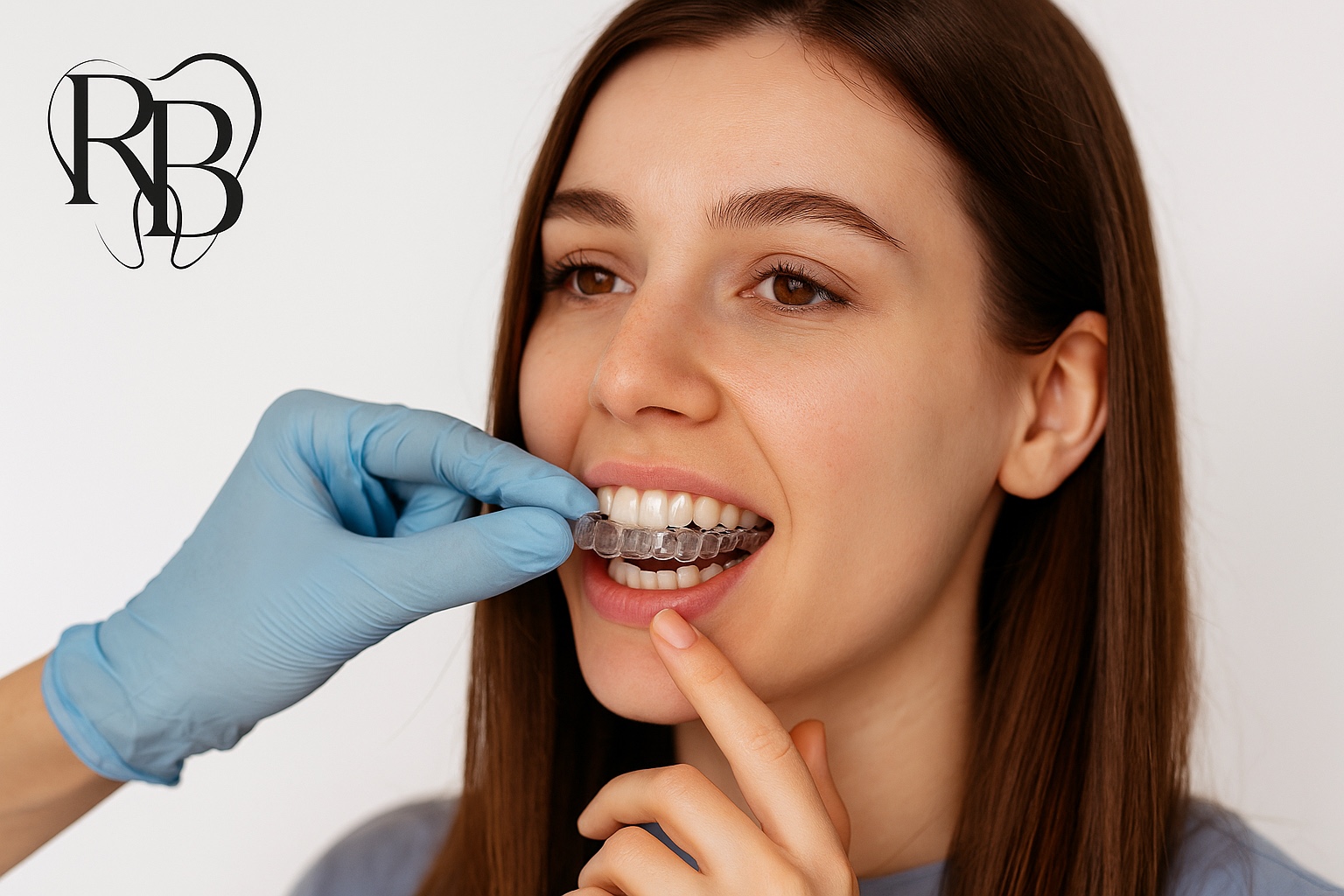
At R&B Clinic, orthodontic care follows a detailed examination and individual treatment planning. Depending on the case, options may include fixed braces, clear aligners such as Invisalign, and jaw appliances.
Why Is Orthodontic Treatment Important?
Improving the relationship between the teeth and jaws can support function and may reduce some future problems. It can also improve the appearance of the lips and face. In selected cases, early orthodontic intervention may reduce the need for more complex treatment later.
What Causes Orthodontic Problems?
Common causes include:
Early loss of primary teeth
Thumb sucking
Mouth breathing
Poor oral hygiene
Gum disease
Injuries
Genetic susceptibility
What Happens Before Treatment?
Active decay, inflammation and gum disease should be treated before orthodontic treatment begins. Planning then includes a panoramic X-ray.
Photographs of the face, mouth and teeth are taken. Impressions or scans of the upper and lower jaws are used to create individual study models. These records inform the treatment plan.
What Can You Expect During Orthodontic Treatment?
Brackets are bonded to the teeth and orthodontic wires are placed.
Treatment progress is monitored at regular appointments, often monthly.
Orthodontic treatment may take approximately 8–30 months, depending on the individual case.
Attend follow-up visits and carefully follow your clinician’s instructions throughout treatment.
Orthodontics: Frequently Asked Questions
Do Braces Hurt?
Mild pressure and tenderness are common initially and often settle within about a week.
Will Teeth Need to Be Extracted?
Some cases require tooth extraction to create space; this is assessed carefully in advance.
Will Surgery Be Needed?
Severe jaw discrepancies may require a combination of orthodontic treatment and surgery.
Do Braces Affect Speech?
Speech may need a brief adjustment period during the first few days.
Which Foods Should Be Avoided?
Hard, sticky or shelled foods may damage braces. Avoid frequent acidic drinks as advised.
Do Braces Cause Tooth Decay?
Braces do not directly cause decay, but trapped food and inadequate cleaning can increase the risk. Good hygiene is essential.
How Should You Care for Your Mouth?
Use a soft-bristled toothbrush, interdental brushes and cleaning aids recommended for your orthodontic appliance. Brush regularly every day and follow your clinician’s cleaning advice.
Can Adults Have Orthodontic Treatment?
Adults can have orthodontic treatment when oral health allows. Clear aligners may be a convenient option in suitable cases.
Maintaining Results After Treatment (Retention)
Fixed or removable retainers are used to help maintain the result after orthodontic treatment:
A fixed retainer is bonded behind the front teeth and is not usually visible.
Clear aligners are removable when appropriate and can be convenient for daily use.
Retention is important to reduce the risk of teeth moving back towards their previous positions.