
 English


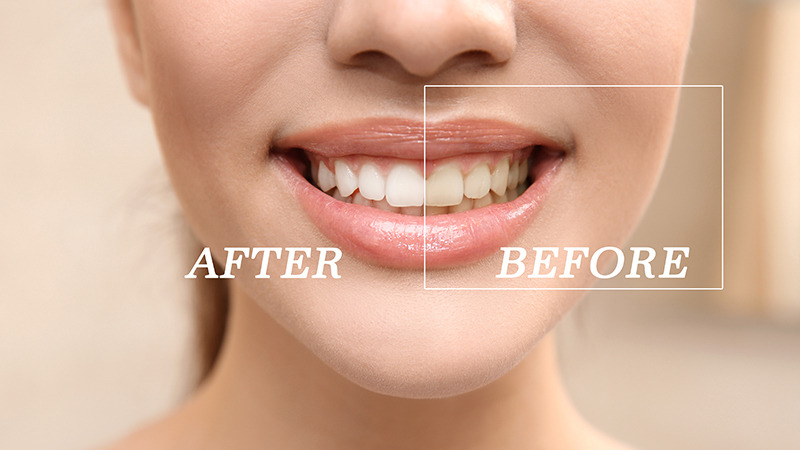
Professional or Home Teeth Whitening: Which Is More Effective?
A smile is one of our most natural forms of expression. Over time, tea, coffee, smoking and ageing can contribute to tooth discolouration. Whitening offers several ways to address it. How do professional treatments compare with methods used at home?
Why Do Teeth Change Colour?
Tooth discolouration is generally divided into two categories:
Extrinsic stains: associated with habits such as coffee, tea and tobacco use.
Intrinsic discolouration: associated with ageing, trauma, some medicines or inherited factors.
Home Whitening Methods
Home whitening products are widely available. Common examples include:
Whitening strips and toothpastes
Home remedies such as baking soda, lemon and activated charcoal; these can damage teeth and are not recommended as substitutes for dental care.
LED-assisted whitening kits
Some home methods may produce short-term changes, but inappropriate use can damage enamel or cause sensitivity. A dentist should assess the most suitable approach.
Professional Teeth Whitening Methods
Professional whitening is planned and supervised by a dentist. Common approaches include:
Laser-assisted whitening
Whitening using Zoom! technology
Dentist-supervised home whitening with custom-made trays
Professional supervision helps protect teeth and gums and supports more controlled, longer-lasting whitening results.
Which Is More Effective?
Some people choose home products for convenience or cost. However, professional assessment is important for a safe, appropriate whitening plan. Dentist-supervised in-clinic treatment or prescribed home trays can offer more controlled results. People with sensitive teeth should consult their dentist before using whitening products.